Born in 1837 in Karlovo, Vasil Levski traveled the path from deacon to the greatest organizer of the Bulgarian revolution. He did not fight battles with weapons, but built a network of secret committees to prepare the people for freedom from within. In this mission, Plovdiv is a key stop – a large, lively and strategic city, where the Apostle came more than once to seek like-minded people and create connections.
Today, these stories are not written on signs. They are hidden in the city itself.
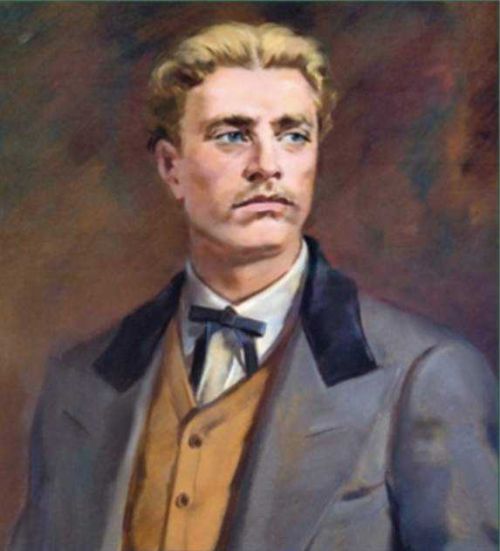
The route logically begins from the church of St. Cyril and Methodius, near the river and the foot of the Old Town. In 1851, here, in the classroom school at the church, young Vasil began his studies under the teacher Parthenius Belchev. This is the place where not only knowledge is built, but also character – discipline, faith and a sense of mission.
We continue with one of the most valuable stops on the route – the Blue School, today part of the “Prof. Asen Diamandiev” Academy of Fine Arts. In it, the Apostle is no longer a student, but a leader – a person who transmits knowledge and prepares young minds for the future.
In 1863, after his return from the First Bulgarian Legion in Belgrade, Levski briefly taught here. The building was then part of the complex of the diocesan school “St. St. Cyril and Methodius”. It is among the few authentically preserved public buildings from the era. The blue and white facade still carries the spirit of the Revival Plovdiv today.
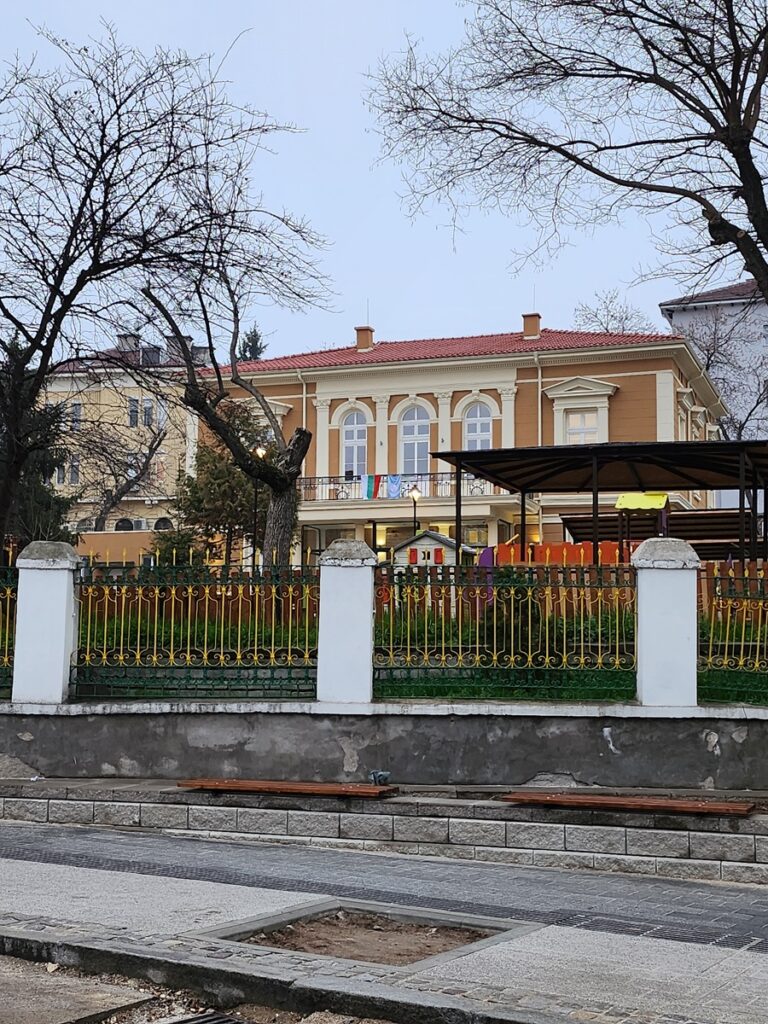
We are also transported behind the hidden activities of organizing the Bulgarian Revolution, which took place in the homes of a number of influential Bulgarians. Plovdiv is the center of the First Revolutionary District, and the meetings of the committee were held precisely in them.
Hristo G. Danov, Joakim Gruev, Stoyan Chomakov are just some of the names of the Plovdiv elite who stand behind this holy cause.
Today, the houses of Hristo G. Danov are open for visits, as part of the exhibition of the Regional History Museum, and that of Dr. Stoyan Chomakov, which houses the exhibition of the Plovdiv artist Zlatyu Boyadzhiev. The house of Joakim Gruev, the work of the Austrian architect and creator of the first urban plan of Plovdiv – Joseph Schnitter, has been converted into a kindergarten “Maternal Care”.
The next stop is the inns along the Maritsa River, where Levski often spent the night, disguised as a merchant. These points of the route are “invisible” today, but the walk around Hissar Kapiya and towards the river helps us understand his strategy – to always have a way of retreat, to always be part of the flow of the city.
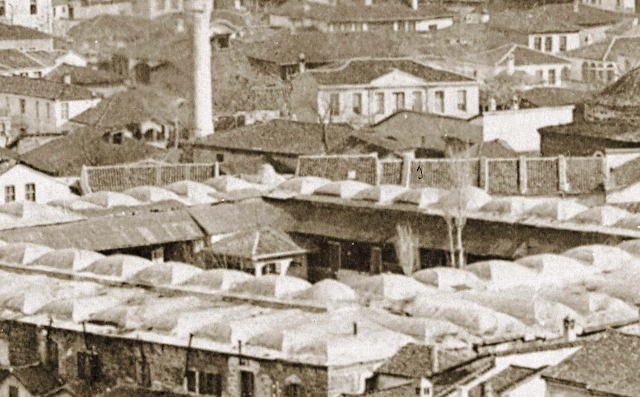
We also go to Marasha, where Levski often found refuge in the home of Kocho Chestimenski and other of his comrades. Here the route becomes less “museum” and more real – a neighborhood with lively streets, under which lies a revolutionary history.
The final stop before the monument to Bunardzhika can be the church of St. St. Peter and Paul, where a memorial service for hieromonk Ignatius is held annually. Although this is a later tradition, the place gives a spiritual ending to the route – a reminder that Levski was not only a revolutionary, but also a monk.
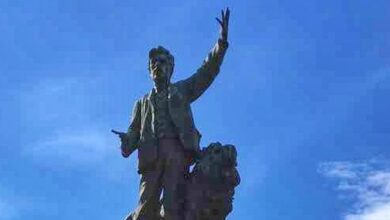
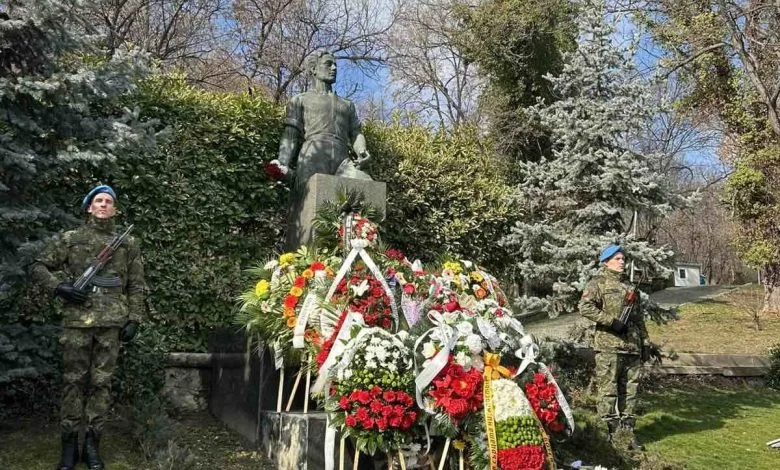
We end in front of the monument to the Apostle at the foot of the Osvoboditelie hill – Bunardzhika. This is not just a place for a walk. This is a place to pause and to worship the hero’s feat.