How did the people of Plovdiv spend their summer 100 years ago?

100 years ago (in the 1920s), life in Plovdiv in the summer was subordinated to tranquility, escape from the heat and socializing, with the atmosphere combining urban elegance with a typical Balkan aylyak
Relax on Adata Island: One of the favorite places for recreation was Adata Island in the Maritsa River. Plovdiv residents went there on a “teferich” (outing) to lie on the green grass, have fun under the thick shadows of the trees and enjoy the coolness of the river. Transportation was done with kaitsi (boats steered with a pole), as not everyone could handle them and for this purpose there were real kaitsi, which were counted on the fingers.

On a beach by the Maritsa River: According to historical information, the first Plovdiv public baths near Maritsa opened their doors as early as 1882. At that time, Plovdiv was the capital of Eastern Rumelia. In the decades that followed, several other beaches were formed in different places along the river and they became a preferred place for Plovdiv residents to spend their free time. After the 1970s, interest in them significantly decreased. For a period of at least 50 years, however, going to the beach near Maritsa was the embodiment of the word “gusto”. Unlike now, back then Maritsa was much fuller and the pools were filled with water from it. The two river baths could accommodate about 5 thousand people. And in addition to the pools, they had a park for walking, a football field, a playground and a 24-hour restaurant, for which beer was specially brought from Sofia. They were outside the riverbed, perhaps 10-20 meters from the riverbank. In 1950, the beaches were closed due to the reduced interest of citizens in them.

Escape to the Rhodope: Wealthy families spent the hot July and August in their houses in the nearby villages of the Rhodope Neck – Belashtitsa, Markovo, Dedevo, where the climate is cooler.
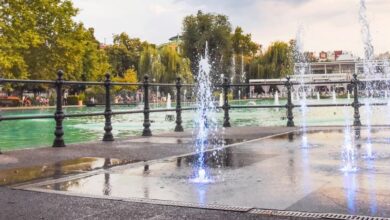
Walks in Tsar Simeon’s Garden: The central park was a gathering point for social life. Residents walked there, and the Maritime Covenant took care of the lake, where there were boats and active life, acting as a place for entertainment. The main alley, which started to the right of the large fountain, was most often used. The tour lasted ten to fifteen minutes. There were seats in places, but they most often remained empty, since it was not customary to sit down. Everyone walked slowly and solemnly, but there was no conversation. Rather, someone would nod their head in greeting, and amorous glances would be exchanged.

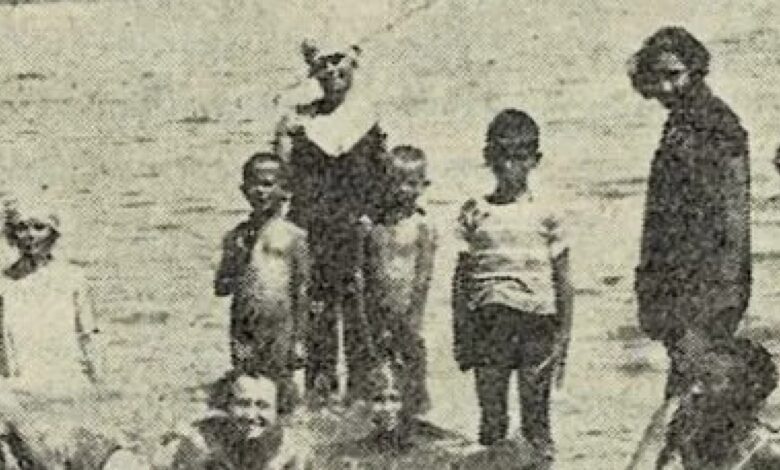
Children’s vacation: In 1926, the Bulgarian People’s Maritime Association organized a summer vacation for a “children’s colony” in Sozopol – one of the first such events. Gradually, over the years, a building was created that the children visited. Sozopol became one of the favorite places for visiting for Plovdiv children. Most children were from wealthier families, since the entire vacation cost about 1,500 leva, which was approximately 1 average salary at that time. A teacher or a medium-skilled worker received a little more on average, and hardly everyone could afford such an amount. There were also selected children who were sent free of charge by the association itself.
So, the summer Plovdiv of a century ago remains a memory of a world in which coolness was sought slowly, and happiness lived between the river, gardens and small escapes from the city.