The Bulgarian lev was officially introduced in 1881, just three years after the Liberation. Its name is not accidental – “lev”, as a symbol of strength, independence and statehood, deeply rooted in Bulgarian folklore. Initially, the currency was equated with the French franc and became part of the Latin Monetary Union – a clear sign of the young Bulgarian state’s aspiration towards Europe and financial stability.
The first Bulgarian coins and banknotes bear the images of rulers, state symbols and allegorical figures, and their design follows the European artistic and engraving traditions of the era.
The first half of the 20th century put the lev to serious tests. The Balkan Wars, the First and Second World Wars, as well as the subsequent economic crises led to inflation and devaluation of the currency. During this period, the lev was denominated several times, and its gold plating gradually fell off.
After 1944 and the establishment of the socialist regime, the lev became a closed currency, not freely exchangeable outside the country. The new banknotes reflected the ideology of the time – with images of workers, peasants, industrial landscapes and partisans replacing the tsarist symbols of the previous decades.

After 1989, the Bulgarian lev entered its most turbulent period. The hyperinflation of 1996–1997 left a lasting mark on public memory and led to the introduction of the currency board in 1997, which fixed the lev to the German mark, and later to the euro.
In 1999, a denomination was carried out, in which 1,000 old levs became 1 new lev. This is a moment of symbolic “cleansing” and stabilization – the new banknotes that we used until the end of 2025 combine a modern look with portraits of notable Bulgarian figures such as Paisii Hilendarski, Ivan Milev and Petar Beron.

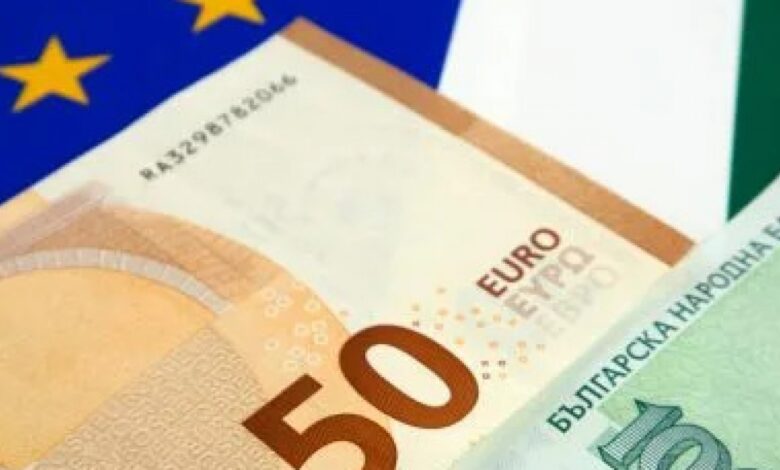
As of January 1, 2026, Bulgaria officially adopted the euro and became the 21st country in the eurozone, which means that the common European currency is now the main means of payment throughout the country.
In January 2026, you may still encounter two currencies in circulation – lev and euro – but the practice is as follows: if you pay with levs, you will be given euro as change.
From February 1, 2026 onwards, only the euro is legal tender – i.e. all shops, restaurants, taxis, museums and services accept only euro.
For tourists, this means:
• Easier travel without exchanging currency – if you already travel in the eurozone, you are already used to banknotes and coins
• ATMs now issue euros, so you can withdraw money without changing currency at exchange offices
• By August 8, 2026, all prices must be displayed in both lev and euro, which helps you get an idea of the values.
• If you still have levs from previous visits, you can exchange them without fees until June 30, 2026 at banks or post offices, and the Bulgarian National Bank accepts them for exchange without a time limit.
This smooth transition makes payments in Bulgaria much more convenient for European tourists and eliminates the need for frequent conversions, making it easier to plan your budget